
Audi A4 Windshield Replacement Cost in 2025: What You Really Need to Know
The Audi A4 is a comfortable, refined daily driver — great on the highway and around town. But like any car that spends time behind trucks and on fast roads, its windshield eventually takes hits from stones and debris. Sooner or later, many A4 owners end up with a crack that’s too big to ignore.
Once the damage is beyond a simple chip repair, a complete windshield replacement is the safest and most effective option. What does that actually cost in 2025, and what should you watch out for with a luxury sedan like the A4?
Let’s break it down in the same plain, practical style as before.
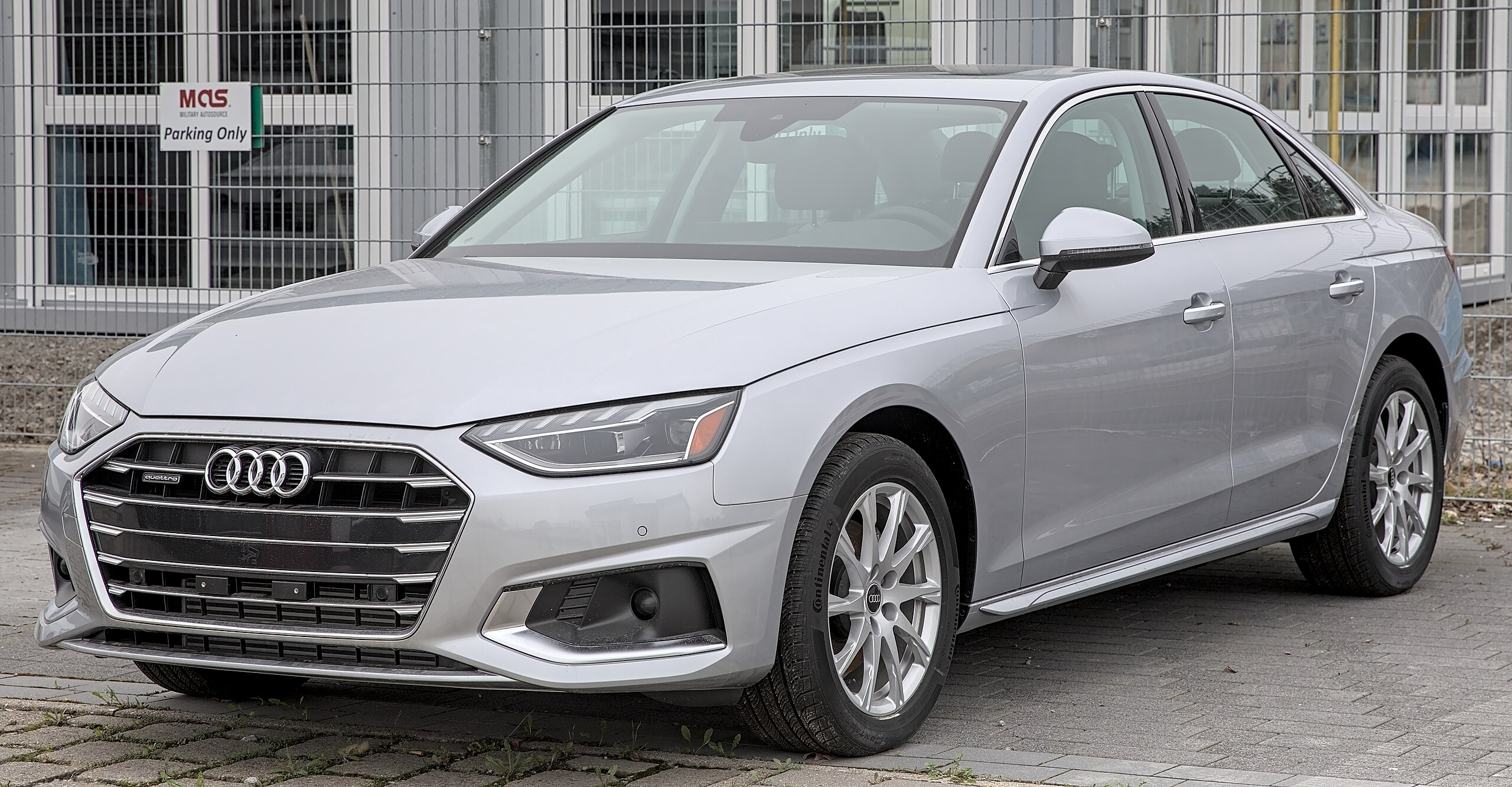
How Much Does It Cost to Replace an Audi A4 Windshield?
Your exact price depends on your location, the model year of your A4, and the options it comes with (such as rain sensor, camera, HUD, acoustic glass, etc.). But here’s a realistic, pre-insurance overview:
Older Audi A4 (early 2000s, basic glass, no ADAS):
Typically around $250–$400 with aftermarket glass
Around $400–$600 with OEM glass in many markets
Most 2005–mid-2010s A4 (B7 / B8, with rain sensor but no camera):
Commonly in the $300–$700 range, depending on glass brand, sensor cutouts, and local labor
Newer A4 models with cameras / advanced sensors (B9 generation and newer):
Often $500–$1,100 for glass + installation alone
Add about $300–$600 if a camera or ADAS system needs calibration.
Total on well-equipped trims can realistically land in the $800–$1,700+ range, primarily through dealers or specialist European shops
In some regions (like the UK or Australia), you’ll see similar patterns in local currency — for example, around £250 up to roughly £950+, or about $300–$1,000 AUD, depending on spec and where you go.
The easy way to think about it:
Glass + installation
Electronics calibration (if your A4 has cameras/ADAS)
Older A4s often only need part 1. Newer ones may need both.
Why Newer Audi A4 Windshields Are More Expensive
If you’re coming from an older car, the price for a modern A4 windshield can be a bit of a shock. Here’s what changed.
1. Advanced Driver-Assist Systems (ADAS)
Late-model Audi A4s can be optioned with features like:
Forward-facing camera behind the windshield
Lane-keeping assist/lane departure warning
Adaptive cruise control and pre-sense systems
In some markets, HUD-compatible glass
These systems look through the windshield. When the glass is replaced, the camera and sensors are supposed to be recalibrated so they can “see” lane lines and vehicles correctly again. It isn’t optional if you want those safety systems to work properly.
Calibration requires:
Specialized ADAS calibration equipment and software
Proper targets and a level workshop area
A trained tech who knows Audi’s procedures
That extra step is why a luxury sedan’s windshield job can suddenly jump a few hundred dollars.
2. Premium Glass Features
An A4 windshield is often more than just plain glass. Depending on the year and trim, you might have:
Acoustic (sound-deadening) glass
Solar / UV-filtering coatings
Rain and light sensors near the rearview mirror
Specific frit/banding to support HUD or cameras
More features = more complex, more expensive glass. If your car left the factory with these options, a bare-bones windshield usually isn’t a good substitute.
3. Dealer vs Independent Shop Pricing
Audi dealer quotes are often much higher than those of independent European glass specialists:
Dealers may quote well over $1,000–$2,000 for OEM glass plus calibration
Independent shops may quote closer to $400–$1,000+, depending on the mix of OEM/aftermarket glass, your options, and local labor rates.
You’re often paying extra for OEM branding, dealer labor rates, and in-house calibration.
OEM vs Aftermarket Glass: What’s Best for an A4?
You’ll hear two terms when you start shopping around:
OEM (Original Equipment Manufacturer) – Built to Audi’s factory specs, often with an Audi logo or OE supplier marking.
Aftermarket – Built by third-party manufacturers. Still must meet safety standards, but may differ slightly in tint, acoustics, or optical qualities.
Pros of OEM Glass
Exact match to original specifications (thickness, tint, sensor openings, acoustic layers)
Often recommended when you have cameras, HUD, or lots of sensors.s
Dealers and some insurers prefer OEM for late-model luxury vehicles
If you’re very picky about NVH (noise, vibration, harshness) or have a fully loaded B9 A4 with all the safety tech, OEM is the “zero-worry” choice — at a higher price.
Pros of Aftermarket Glass
Lower cost — can cut a significant chunk off the bill
Often perfectly fine for older or less optioned A4s
Widely used by independent glass shops worldwide.
For a high-tech, newer A4, many owners opt for OEM or high-quality aftermarket parts from a reputable brand. For an older A4 (no camera, just a rain sensor), aftermarket glass is usually a very reasonable way to save money.
Will Insurance Cover an Audi A4 Windshield Replacement?
Coverage comes down to your policy and where you live, but most situations look like this:
If You Have Comprehensive Coverage
Windshield damage is typically covered under comprehensive, not collision, insurance. Common outcomes:
You pay your deductible (e.g., $250 or $500), and insurance pays the rest
In some regions, you may have zero-deductible glass coverage for repairs and/or replacements.
Look for wording like:
“Full glass coverage”
“Glass waiver”
“Zero deductible glass”
Many glass shops can handle the claim and billing directly with your insurer, which makes the process easier.
If You Don’t Have Comprehensive or Glass Coverage
Then it’s a self-pay job:
Get quotes from 2–3 different shops (including at least one that specializes in European/luxury vehicles)
Ask for OEM vs aftermarket pricing.
Confirm whether ADAS calibration is included as a separate line item or not.m
DIY vs Professional Replacement on an A4
On a modern Audi A4, a DIY windshield swap is almost always a bad idea.
Reasons to use a pro:
The windshield is part of the car’s structural safety system and works with the airbags
Poor installation can cause water leaks, wind noise, rust, or reduced crash protection.on
If your A4 has a camera or ADAS, you need proper calibration equipment and procedures in place.
Saving a bit of money upfront isn’t worth it if you end up with warning lights, leaks, or safety issues later.
How to Get an Accurate Quote (Without Nasty Surprises)
When you call or fill out an online quote form, have this info ready:
Model year of your Audi A4
Body style (sedan, Avant/allroad)
Trim/package details (S line, Technik, Prestige, etc., if applicable)
Windshield-related features:
Rain/light sensor behind the mirror
Camera for lane-keep / traffic sign recognition
HUD (if equipped in your market)
Acoustic glass or a special tint band
If you’re using insurance, also have your policy details handy.
Then ask the shop:
Is this quote for OEM or aftermarket glass?
Does the price include camera/ADAS calibration if required?
Is there a mobile service fee if you want them to come to your home or office?
What kind of warranty do you provide (against leaks, wind noise, stress cracks, quality)?
Good answers to these questions will help you compare shops fairly and avoid surprise charges.
Tips to Save Money on an Audi A4 Windshield Replacement
Compare multiple shops
Especially compare a dealer quote with one or two independent European glass specialists.Consider high-quality aftermarket glass.
For older or mid-spec A4 Models, it often provides excellent value.Use insurance smartly
If the cost is close to your deductible, filing a claim may not be worthwhile. If the quote is significantly higher familiar with ADAS and OEM glass), comprehensive coverage can save you a substantial amount.Repair chips early
A quick chip repair is much cheaper than a complete replacement — and some policies cover chip repairs at little or no cost.
Final Thoughts
For an Audi A4, windshield replacement in 2025 typically runs:
Roughly $250–$700 on older or simpler cars
Around $500–$1,100+ on newer A4s with sensors and premium glass
$800–$1,700+ in some cases, once OEM glass and ADAS calibration are factored in, especially at dealers or in high-cost markets
To keep things under control:
Know your year, trim, and options
Decide where you stand on OEM vs aftermarket.
Ask clear questions about calibration, insurance, and warranties.
Do that, and you’ll avoid most of the unpleasant surprises — and get your A4 safely back on the road, with a clear view and all your safety systems working as they should.


